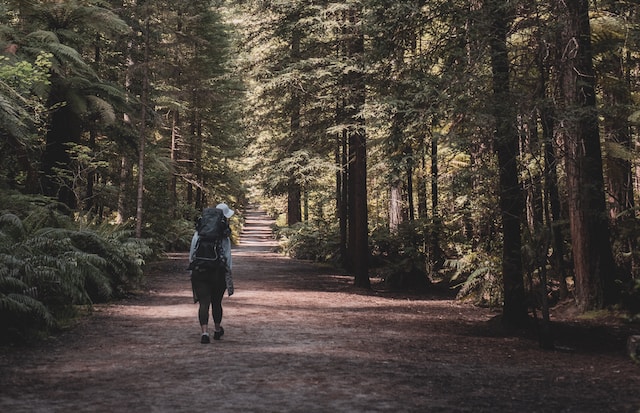
A review of a systematic review and meta-analysis of nature walks as an intervention for anxiety and depression
Summary
This article examines a systematic review and meta-analysis of seven studies investigating the effects of nature walks on anxiety and depression. The results showed that nature walks significantly reduced symptoms of anxiety and depression compared with control groups. The effect was more pronounced for anxiety than for depression.
Introduction
Anxiety and depression are two of the most common mental health disorders in the world. They can have a significant impact on quality of life and impair a person's ability to function day to day.
There is a growing body of research on the mental health benefits of exposure to nature. Spending time in nature has been shown to reduce stress, improve mood and promote relaxation.
One way to experience nature is to go for a walk. Nature walks offer a range of potential physical and mental health benefits. They can help improve cardiovascular health, lower blood pressure and strengthen muscles and bones. They can also help improve sleep quality, reduce stress and lift mood.
Methods
The researchers searched for studies investigating the effects of nature walks on anxiety and depression, including studies with a control group that measured symptoms of anxiety and depression using validated scales.
Seven studies met the inclusion criteria. They included participants of all ages with a range of anxiety and depressive disorders. The nature walks varied in duration and intensity, but all the studies involved spending time in a natural environment such as a forest, park or garden.
Results
The meta-analysis showed that nature walks significantly reduced symptoms of anxiety and depression compared with control groups. The effect was more pronounced for anxiety than for depression.
The researchers also found that the effects were more pronounced for longer walks and for walks that took place in more natural environments.
Discussion
These results suggest that nature walks can be an effective intervention for reducing symptoms of anxiety and depression. They offer a range of potential benefits, including reduced stress, improved mood and greater relaxation.
Implications
The findings have important implications for the prevention and treatment of anxiety and depression. Nature walks are a low-cost, accessible intervention that can easily be built into everyday life.
Health professionals can encourage patients to take regular walks in nature as a way of improving their mental health. Nature walks can also be promoted as a public health intervention to reduce the prevalence of anxiety and depression.
How to build nature walks into your life
If you are interested in adding nature walks to your routine, there are a few things you can do:
- Find a natural area near you, such as a beach, forest, park or garden.
- Start with short walks and gradually increase distance and intensity as you grow more comfortable.
- Pay attention to your surroundings — the sights, sounds and smells of nature.
- Take your time and enjoy the walk.
You can also try varying the type of natural environment: forests, beaches, mountains. Each has its own particular benefits. Forests, for example, have been shown to be especially beneficial for reducing stress and improving mood.
If you have anxiety or depression, it is important to speak to your health professional before starting any new exercise programme.
References:
Grassini S. (2022). A Systematic Review and Meta-Analysis of Nature Walk as an Intervention for Anxiety and Depression. Journal of clinical medicine, 11(6), 1731. https://doi.org/10.3390/jcm11061731