Following on from our earlier articles on high-intensity training, this article examines a very interesting 2019 study that investigated whether this kind of training — in this case HIRIT (high-intensity resistance and impact training) — could be a risk factor for vertebral fracture in post-menopausal women with low bone density. We consider this study important because it addresses an apparent paradox: on the one hand, the scientific evidence shows that greater mechanical load intensity produces greater bone adaptation; on the other, fear of fracture risk in people with osteoporosis has traditionally led to recommendations for low- or moderate-intensity training programmes. Applying a high-intensity training programme to women over 60 with low to very low bone density is probably not the first thing that comes to an exercise professional's mind, but the high level of evidence in this study obliges us to look at it in more detail.
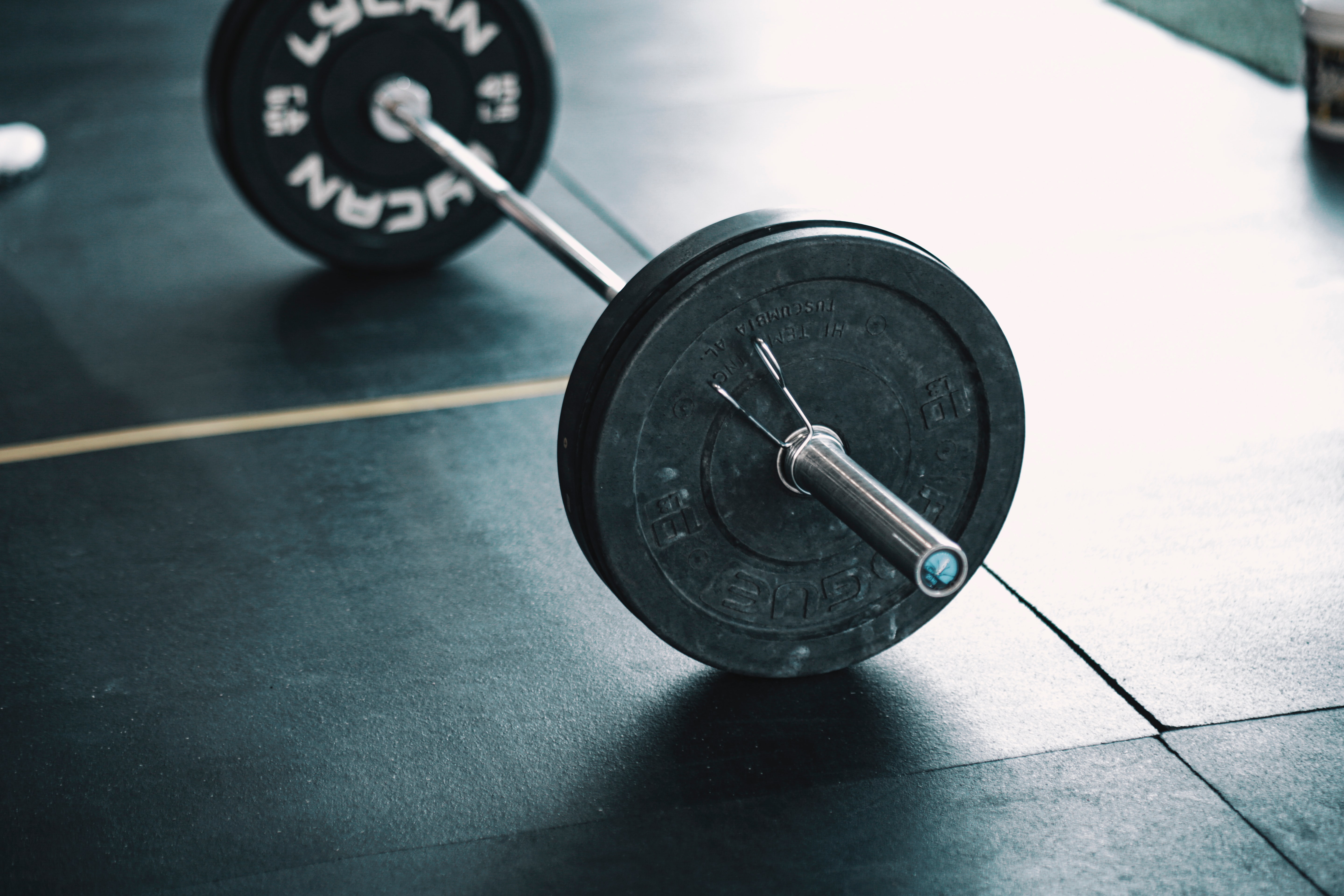
The intervention protocol ran for eight months and consisted of two supervised sessions a week of 30 minutes each, with strength exercises (squat, deadlift and overhead press) and impact exercises (jumping chin-ups/drop landings), always on non-consecutive days and with progressively increasing intensity. In the first two to four weeks the load was low, with exercises performed using light weight or body weight only, focusing on movement quality and technique. From the fourth week the intensity was increased so that by the end of the second month all participants could correctly perform the exercises at a load corresponding to 80-85% of 1RM (one repetition maximum) for five sets of five repetitions. From then on the protocol remained unchanged, always maintaining high load intensity (≥ 80-85% 1RM). The control group followed a low-intensity training protocol of two 30-minute sessions a week, carried out at home without supervision, consisting of a 10-minute walking warm-up, four stretches and four low-intensity strength exercises with dumbbells, progressing from 1 kg to a maximum of 3 kg (in the final four weeks), followed by five minutes of walking to finish.
At the end of the intervention the authors observed a significant improvement in bone density in the intervention group compared with the control group, along with a reduction in thoracic kyphosis. No fragility fractures or any other injuries were recorded in the group that followed the HIRIT protocol. The control group showed an unfavourable progression over the intervention period, with reduced bone density levels, and also recorded one fracture (grade 1 at T7), two cases of pre-existing fractures that progressed from grade 1 to 2, and one case that progressed from grade 2 to 3.
The same authors later carried out a further study, this time with male participants with osteopenia and osteoporosis. The HIRIT intervention protocol was exactly the same as the one used in the study with women, but here, alongside the HIRIT intervention group and the control group, there was a third group that followed a supervised protocol based on isometric axial compression (IAC) exercises on machines. The results were very similar to the earlier study, with the HIRIT group showing significant improvements in bone density and no fragility fractures or other injuries. The control group showed an unfavourable progression, while the IAC group showed no improvement at all.
In our view the authors of these studies showed considerable scientific courage together with a good level of rigour in their design, because they put forward hypotheses that ran against most of the recommendations of the time regarding the kind of training advised for that population. They risked causing, in the people who made up the intervention group, precisely what they wanted to prove could be avoided by applying the HIRIT protocol: fragility fractures. Fortunately they were able to demonstrate the effectiveness and safety of the protocol, thanks to quality work that was well structured and well supervised, and which to some extent lays to rest the old fears around high-intensity training in older populations and, in this case, in people with bone fragility. Obviously, a protocol of this kind should always be applied by experienced professionals with the appropriate training.
References:
Watson, S. L., Weeks, B. K., Weis, L. J., Harding, A. T., Horan, S. A., & Beck, B. R. (2019). High-intensity exercise did not cause vertebral fractures and improves thoracic kyphosis in postmenopausal women with low to very low bone mass: the LIFTMOR trial. Osteoporos Int, 30(5), 957-964. https://doi.org/10.1007/s00198-018-04829-z